When a Website Starts to Feel Like a Publication
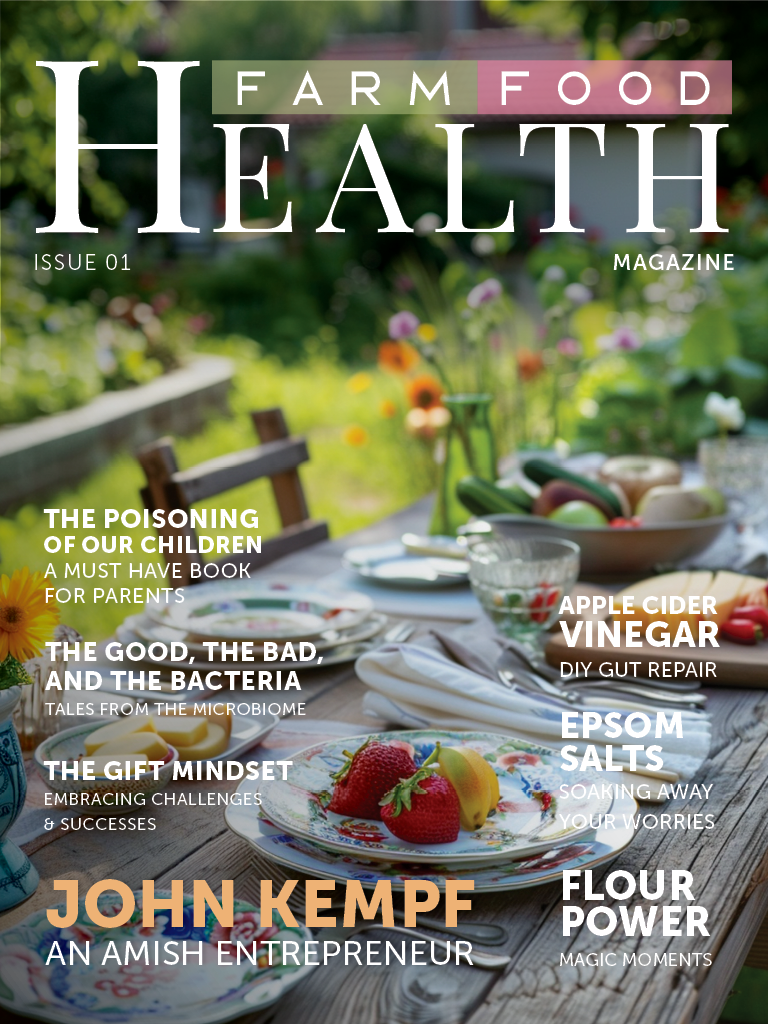
At some point a project stops looking like a pile of parts and starts behaving like a thing with its own weight. For Farm Food Health, that happened without much fanfare.
The pieces had been sitting around for a while. A website with pages on it. A first issue, done. A second one coming together. Interviews, photographs, half-finished drafts, research notes, and a good deal more ideas than any single magazine could hold. What was missing was the sense that all of it lived in the same place. That has changed, which is really what these Field Notes are for.
Farm Food Health isn’t just a magazine tucked inside an app anymore. It now has somewhere permanent for the stuff that turns up between issues.
Following the connection
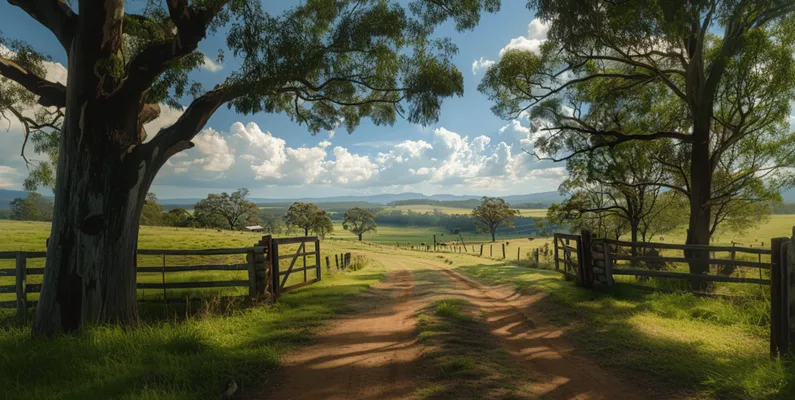
The idea underneath all of this is easy to say and harder to actually chase down: what happens on the land doesn’t stay on the land.
Choices about soil, crops, livestock, chemicals, breeding, how food gets processed and how it gets cooked and all of that carries forward. It shapes what comes off the farm, what makes it to the kitchen, and eventually what ends up in a body. None of which means every farming decision has a clean health outcome attached to it. Real systems don’t work that neatly. But it does mean farming, food and health aren’t three separate conversations, and pretending they are gets you nowhere.
Farmers know production. Cooks and producers know preparation. Researchers know their particular corner of how bodies and ecosystems work. The people eating the food live with the result, usually without anyone showing them how the parts join up. Farm Food Health sits in that gap.
It isn’t here to teach farmers to farm, and it isn’t here to scare readers with a list of things to be afraid of. It’s here to ask sharper questions. Where did this actually come from. How was it grown. What made it good or not. Which old practices still earn their keep, which new ones are worth a second look, and what you can see with your own eyes before taking a claim on faith just because it gets repeated a lot.
More than one kind of knowledge
A lot of the useful stuff never shows up in a paper or a slide deck.
Sometimes it comes from a farmer who’s watched the same paddock for forty years. Sometimes from an animal that behaves completely differently once you move it somewhere else. Sometimes from a food tradition that stuck around because it worked, long before anyone could explain the biology. And sometimes it comes from a scientist who can tell you why the old observation holds up or why an assumption everyone repeats actually doesn’t.
Farm Food Health is interested in all of it. The point isn’t to treat one farmer’s experience as proof, or to wave science around like it lives on a different planet from daily life. It’s to line up careful observation, research and hands-on experience side by side and see what comes into focus.
That needs more room than a quick post and less than a full feature. Field Notes is that middle ground.
What belongs in Field Notes
Some notes start with a question. Others come out of an interview, a farm visit, a photo, an old practice, a fresh bit of research, or something noticed halfway through writing a bigger piece.
They might include:
- observations worth digging into further;
- shorter stories from farmers, growers, cooks and producers;
- practical food and household knowledge;
- old practices looked at through a modern lens;
- ideas that link soil, animals, plants, food and health;
- early thinking that might grow into a full feature later.
Not every note lands on a firm answer, and that’s on purpose. Sometimes the honest result of looking hard at something is realising it’s messier than it seemed at first glance. A publication worth reading should be able to just say that instead of forcing a tidy conclusion.
Building a body of work
The first issue put a lot of the core ideas on the table like farm stories, food practices, health questions, and the people behind them. It ranged across farm life, food production, chemical exposure, the microbiome and the kind of household knowledge that gets passed down without ceremony, but as a first publication there was so much to learn.
The next issues carry that on with more structure and a clearer sense of where they’re headed. Real farms, animals, crops, foods, tools and practices come first; the bigger themes grow out of what can actually be seen and done, not the other way round.
Time was spent reflecting on exactly where the magazine should go and who the likely readers would be, and the process of finding the right stories that were relevant started. The topic of farming, food and health is incredibly broad.
What the website changes is that these ideas can now pile up instead of vanishing the moment an issue ships. Over time Field Notes should turn into a proper library, more like a record of questions chased down, lessons picked up and connections made, rather than a stream of content you scroll past once.
That matters because trust doesn’t come from one good article, as it comes from showing up again after fixing what you got wrong, and letting people who know their subject speak in their own words. The real challenge is resisting the urge to make everything sound simpler or more settled than it is. The goal here is to publish enough good work.
The work ahead
There’s still a lot to build. More stories to gather, more contributors to track down, more ideas to test against people who’ve earned their knowledge over years rather than an afternoon of reading.
That’s the part that makes this stage good fun. Farm Food Health isn’t an idea waiting to become a publication anymore and it’s exciting to see that it’s a publication with issues taking shape and somewhere for the stories to live. And the actual work, following the thread from the land through the food and into the body, can keep going.
And naturally, there will be space for general conversation on relevant topics of the moment that probably couldn’t be placed in the magazine.